With household budgets remaining under constant pressure and the energy market showing long term volatility, many homeowners are asking a fundamental question: is it still worth getting solar panels in the UK?
For years, the financial case for residential solar was driven by government subsidies. Today, the landscape is entirely different. Driven by higher standard grid tariffs, lower hardware prices and highly competitive export rates, the financial argument for solar power has actually strengthened.
If you are trying to calculate the true cost of solar panels in the UK, find the average payback period or work out how to maximise your return on investment, this guide breaks down the latest data for 2026.
What is the actual cost of solar panels in the UK?
One of the most common hurdles for homeowners is understanding the upfront cost of solar panels in the UK. The good news is that hardware prices have stabilised significantly over the last few years.
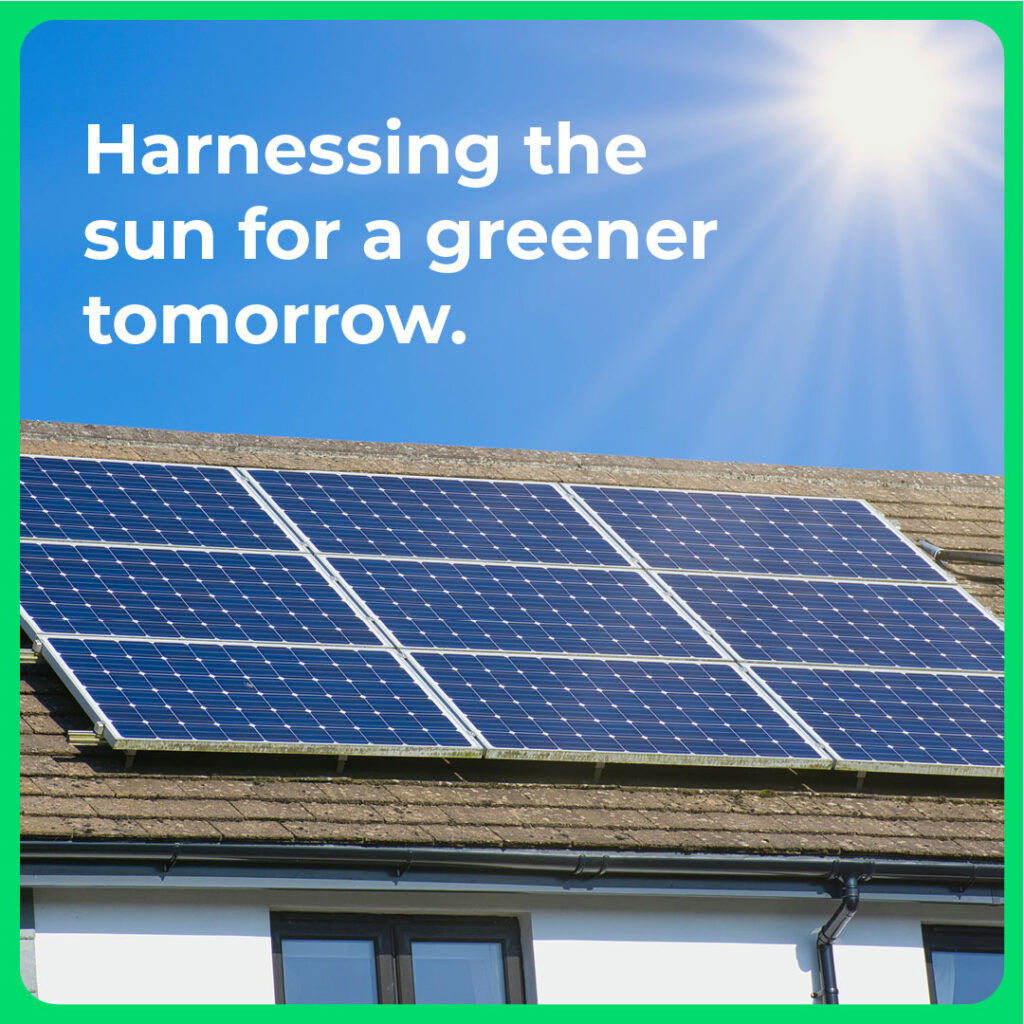
For a standard three bedroom semi detached home, a typical 4kW solar PV system (roughly 10 panels) generally costs between £5,500 and £8,000. This price variations depends on the complexity of your roof, scaffolding requirements and your geographical location.
However, installing panels alone is rarely the smartest financial move anymore. Most modern installations now include a home battery storage system. While a battery adds an extra £3,000 to £5,000 to the initial installation bill, it completely transforms the financial viability of your system.
It is also worth noting that the government 0% VAT scheme on residential solar and battery storage remains active until March 2027, saving the average household between £1,000 and £3,000 on total installation costs.
Calculating the average solar panel payback period
The ultimate metric for most homeowners is the solar panel payback period. How long does it take for the system to pay for itself through bill savings and export income?
Currently, the average UK payback period sits between 6 and 10 years. Once the system crosses that break even point, it generates free electricity for the remainder of its lifespan, which is typically 25 to 30 years.
Your exact payback time is dictated by two main factors:
Daytime Self Consumption: You save the most money by using the electricity while your panels are creating it. With the Ofgem price cap hovering around 24p to 27p per unit, every kilowatt hour you pull directly from your roof instead of the grid saves you that exact retail rate.
Battery Storage: Without a battery, the average home only uses about 40% of the energy its panels generate, with the rest spilling back to the national grid. Adding a battery bumps your self consumption up to 70% or 80%, keeping your cheap power inside your home for evening use.
Maximising income with the best SEG tariffs in the UK
What happens to the excess energy you do not use? This is where the Smart Export Guarantee (SEG) comes into play. The old Feed in Tariff system is long gone, but the modern SEG market is highly competitive.
Earning money from your surplus power requires shopping around for the best SEG tariffs in the UK. If you dump your power back to the grid on a basic variable rate, you might only receive a meager 3p to 4p per kWh. However, premium and installer exclusive tariffs from providers like Octopus Energy, Good Energy and OVO Energy now offer anywhere from 12p to 25p per kWh.
Advanced users with solar and battery storage can even utilise “time of use” smart tariffs. This strategy allows you to import cheap energy from the grid at night to fill your battery, protect yourself during expensive peak daytime hours and export your surplus solar energy during late afternoon peak windows when export rates are at their absolute highest.
What does Martin Lewis say about solar panels?
When looking for trusted financial guidance, many people turn to MoneySavingExpert founder Martin Lewis. His position on solar panels has remained consistent and pragmatic.
Lewis is broadly positive on solar power for the right homes, viewing it as a viable long term investment rather than a quick win. His core advice highlights that solar panels are absolutely worth it if you plan to stay in your property long enough for the savings to stack up, if your roof is unshaded and south facing, and if you choose a fully certified installer.
Crucially, Lewis warns homeowners to avoid complex “free panel” roof lease schemes. While these deals offer zero upfront costs, the installation company keeps the lucrative SEG payments and bill savings, which can complicate future home sales and mortgage renewals. It is always better to own the system outright if your finances allow.
Who qualifies for solar panel grants in the UK?
If the upfront installation cost is a barrier, there are alternative funding routes available depending on your household circumstances.
For private homeowners looking for free solar panel grants in the UK, the primary route is the Warm Homes Local Grant (and its regional equivalents like Home Energy Scotland). These schemes target lower income households, properties with low EPC ratings and those off the gas grid, offering fully funded energy upgrades.
For social housing residents and providers, funding streams like the Warm Homes Social Housing Fund continue to back massive multi measure retrofit projects, combining fabric insulation with solar power and low carbon heating.
The verdict: Are solar panels worth it?
The financial logic of solar energy has fundamentally changed. It is no longer about chasing government subsidies; it is about building energy independence.
By combining a well sized solar array with battery storage and a smart export tariff, the average UK home can wipe hundreds of pounds off its annual electricity bill while shielding itself from future market shocks. If you have the right roof orientation and a view toward long term savings, solar remains one of the safest home investments you can make.
Ready to find out exactly how much you could save?
Every roof is different, and the best way to calculate your exact payback period and system cost is with a professional assessment. At Zero Carbon Group, we provide comprehensive, bespoke designs tailored to your home’s energy needs.
Book your free home solar assessment today and take the first step toward long term energy independence.